Featured
Table of Contents
Adapting to Generative Interfaces in Philadelphia
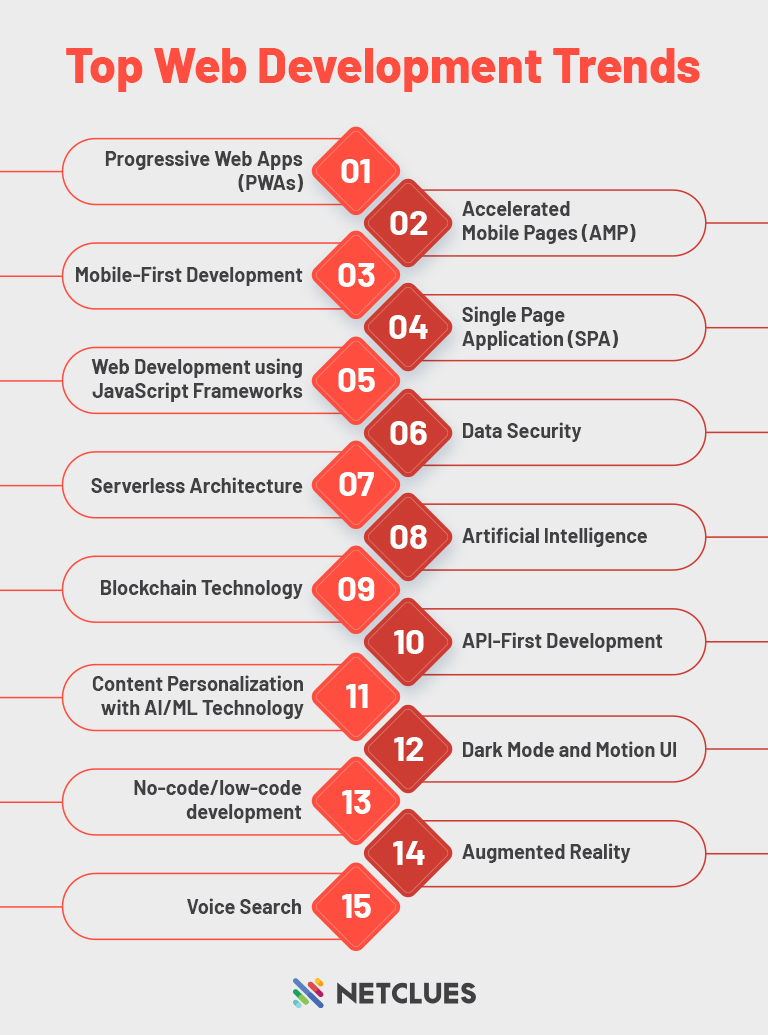
The digital environment in 2026 has actually moved far from the static grids and fixed design templates that specified the early part of the decade. As organizations in Philadelphia adjust to brand-new expectations, the focus has actually shifted toward interface that adapt in real-time to specific intent. These systems, typically called generative interfaces, do not exist as pre-designed pages. Rather, they put together elements on the fly, reacting to the specific context of a visitor. This shift requires a various method to digital infrastructure, moving from rigid codebases to fluid systems that focus on modularity.The approach these interactive experiences is driven by the widespread use of high-speed connectivity and advanced internet browser capabilities. In 2026, web browsers function as advanced operating systems capable of dealing with heavy computation in your area. This enables complex animations and information processing that formerly needed server-side heavy lifting. For organizations in PA, this means that the technical debt of older, monolithic websites is ending up being a liability. Modernizing these systems is no longer a matter of visual updates but a necessity for fundamental performance in a world where AI-driven surfing is the norm.Many companies in Philadelphia are now prioritizing Full-Stack Development to fulfill these expectations. By approaching a more versatile architecture, these organizations make sure that their digital assets can be analyzed by both human users and the generative representatives that now deal with a substantial part of web traffic. The goal is to create a digital existence that is clear to every type of visitor, regardless of how they access the site.
Spatial Surfing and the Development of Top
As we move deeper into 2026, spatial computing has actually moved from a specific niche hardware classification to a mainstream approach for engaging with the web. Users are no longer restricted to flat screens. They browse while wearing light-weight optical inserts or using mixed-reality display screens that overlay digital info onto their physical surroundings. This change has forced a total rethink of UI/UX principles. Principles like "above the fold" have been replaced by three-dimensional zones and depth-based interactions.Designers are concentrating on volumetric UI, where elements have physical weight and react to the user's gaze or hand gestures. This isn't simply about fancy visual effects. It is about reducing the cognitive load on the user. For a service offering Top in PA, a spatial interface may enable a client to envision a project or an item in their own workplace before ever talking to an agent. This level of interaction develops trust quicker than any fixed gallery or testimonial page might in the past.The facilities needed to support these experiences is substantial. WebGL and WebGPU have become the requirement for rendering these environments directly in the web browser. The combination of biometric feedback permits user interfaces to react to a user's disappointment or excitement. If a user has a hard time to find a button, the interface may subtly glow or move closer to their centerpiece. This level of responsiveness is what defines the next generation of web style.
The Role of Generative Engine Optimization in 2026

Presence has altered. In the past, SEO had to do with ranking for a list of keywords on a results page. Today, AI search optimization (AEO) and generative engine optimization (GEO) take precedence. Steve Morris, CEO of a major digital company with workplaces in Nashville, LA, and New York City, has actually frequently noted that the method AI models "see" a site is simply as crucial as how a human sees it. His firm has actually been singing about the requirement for sites to provide structured, verifiable information that AI models can ingest and provide to users in conversational answers.Their RankOS platform focuses on this specific challenge, helping brands maintain visibility when a standard search engine result page (SERP) is changed by a single AI-generated action. If a website's UI is too messy or its data is not structured properly, it risks being disregarded by these generative engines. This is why the underlying tech stack of a website is now a main factor in its marketing success. Custom Full-Stack Development Team remains a core element for companies scaling their online presence, making sure that their material is available to the LLMs (Large Language Models) that now act as the gatekeepers of information.The digital method for 2026 involves more than just content development. It includes technical accuracy. Websites must be quickly enough to feed real-time data to AI representatives while remaining aesthetically engaging for the human users who ultimately show up at the checkout or lead kind. This balance is difficult to accomplish without a deep understanding of how modern search algorithms prioritize "answer-ready" content over standard keyword-dense pages.
Interactive Efficiency and the 2026 Infrastructure Requirement
Efficiency metrics have gone through a radical change. In 2026, we no longer simply speak about "page load time." We speak about "interaction latency" and "state-change fluidity." A site that loads in one 2nd but stutters throughout a shift is thought about broken by modern-day requirements. Users in Philadelphia expect digital user interfaces to feel as responsive as physical things. This needs a relocation toward edge computing, where much of the site's logic is hosted on servers located physically near the user.For companies running across the regional corridor, this distributed method to hosting is the only way to keep the speed needed for 2026 web tech. When an interface is generative, the server should have the ability to process the user's data and return a customized UI layout in milliseconds. This has actually resulted in the increase of "headless" architectures where the front-end interface is totally decoupled from the back-end database. This separation permits for maximum versatility and speed, as the interface can be upgraded or altered without touching the core company logic.Business owners often look toward Development for Scale to handle the particular needs of their regional audience. Whether it is a high-traffic ecommerce site in Miami or a lead-generation platform in Dallas, the need for speed is universal. The tech stack of 2026 is built on Rust-based web structures and WASM (WebAssembly) modules that supply near-native efficiency within the internet browser environment. This level of power permits real-time information visualization and complex interactive tools that were previously just possible in standalone desktop applications.
Personal privacy and Rely On an Interactive World

With the boost in interactive and tailored experiences comes an increased concentrate on data privacy. In 2026, users are more familiar with their digital footprint than ever before. Next-gen UI/UX needs to integrate "privacy by style," where information collection is transparent and give-and-take. Rather of hidden cookies, websites utilize specific "value-exchange" designs. A user may share their choices in exchange for a more customized browsing experience, however they maintain full control over that data through decentralized identity protocols.This trust is the foundation of any successful digital brand in global markets. If a user feels that an interface is being manipulative or "too" predictive, they will leave. The challenge for designers is to develop experiences that feel useful without being invasive. This is achieved through subtle UI cues and clear interaction. When a website uses AI to recommend an item, it must plainly mention why that recommendation was made. This transparency is what separates the top-tier digital experiences from the rest of the market.
Future-Proofing for the Rest of the Decade
Looking ahead, the rate of modification reveals no signs of slowing. The facilities being built today in Philadelphia need to have the ability to support innovations that are still in their infancy. This consists of things like neuro-symbolic AI and advanced haptic feedback for web interfaces. A digital strategy that just looks 6 months ahead is already behind.The most effective organizations are those that treat their digital presence as a living entity. They invest in modular systems that can be upgraded piece by piece as new tech ends up being available. They prioritize tidy code, structured data, and user-centric design. By concentrating on these core concepts, organizations can navigate the complexities of 2026 and beyond, ensuring they stay relevant in a world that is increasingly specified by how we interact with the digital world.Building for the future requires a shift in frame of mind. It is no longer about constructing a "site" however about producing a digital touchpoint that can exist on a screen, in a headset, or as a data feed for an AI. Those who comprehend this will lead their particular industries in PA, while those who hold on to the old methods of the fixed web will find themselves increasingly invisible to the contemporary consumer.The knowledge required to handle these transitions is substantial. It involves a mix of creative design, deep technical knowledge, and a strategic understanding of how search and discovery have actually altered. As we continue through 2026, the gap in between the digital leaders and the laggards will only broaden, making the option of technology and technique more important than ever. Premium UI/UX is now the primary differentiator in a crowded market, serving as the bridge in between a company's goals and its clients' requirements. Preserving that bridge needs consistent attention, improvement, and an eye towards the next wave of technological advancement.

Latest Posts
Producing Climate-Positive Digital Solutions for Los Angeles
Mastering Motion Design for Top
Reducing Page Weight for a More Sustainable MI Web